? Why doesn’t the Leaning Tower of Pisa fall over
- تاریخ 06/25/2025
در صورت پخش نشدن فایل صوتی لطفا فیلتر شکن خود را روشن کنید.
فهرست مطالب
Question : Why doesn’t the Leaning Tower of Pisa fall over ?
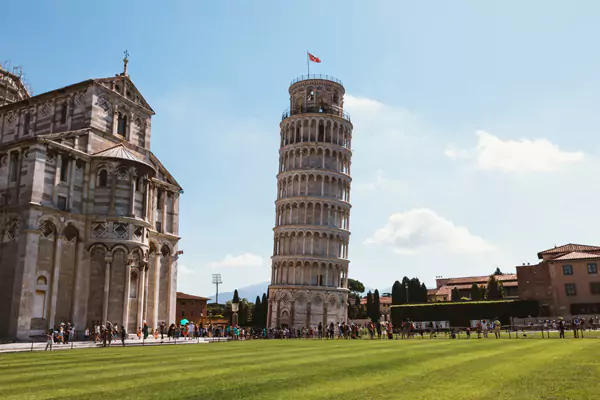
In 1990, engineers used computer models to assess the Leaning Tower of Pisa’s stability. The tower was leaning at 5.5 degrees, and models predicted it would topple at 5.44 degrees. Construction began in 1173 on a foundation that settled unevenly over time.
Various attempts to stabilize the tower over centuries failed. In 1992, engineers drilled and excavated soil, counterbalanced the tower with lead, and anchored it with cables, successfully straightening it. The tower now stands at about 55-56 meters tall and is expected to remain stable for at least 300 years.
Leaning Tower of Pisa’s History
In 1990, the Italian government enlisted top engineers to stabilize Pisa’s famous Leaning Tower. There had been many attempts to stabilize the tower during its eight-hundred-year history, but this team’s computer models revealed the urgency of their situation.
They projected the tower would topple if it reached an angle of 5.44 degrees, and it was currently leaning at 5.5 degrees. No one knew how the tower was still standing, but the crisis was clear: they had to solve a problem that stumped centuries of engineers, and they needed to do it fast. To understand their situation, it’s helpful to understand why the tower tilted in the first place.
The Tower’s Foundation
In the 12th century, the wealthy maritime republic of Pisa set about turning its cathedral square into a magnificent landmark. Workers embellished and enlarged the existing church and added a massive domed baptistry to the plaza.
In 1173, construction began on a free-standing campanile, or bell tower. The engineers and architects of the time were masters of their craft, but for all their engineering knowledge, they knew far less about the ground they stood on. The name Pisa comes from a Greek word for marshy land, which perfectly describes the clay, mud, and wet sand below the city’s surface.
Ancient Romans countered similar conditions with massive stone pillars called piles, which rest on earth’s stable bedrock. However, the tower’s architects believed a three-meter foundation would suffice for their relatively short structure. Unfortunately for them, less than five years later, the tower’s southern side was already sinking underground.
Such a shifting foundation would normally have been a fatal flaw. If workers added more weight, the pressure from upper stores would sink the structure and fatally increase the lean. But construction halted at the fourth story for nearly a century as Pisa descended into prolonged warfare.
This long pause allowed the soil to settle, and when construction began again in 1272, the foundation was on slightly more stable footing. Under the direction of architect Giovanni di Simone, workers compensated for the tower’s minor tilt by making the next few floors taller on the southern side.
But the weight of the extra masonry made that side sink even deeper. By the time they completed the seventh floor and bell chamber, the angle of the tilt was 1.6 degrees.
Failed Attempts to Stabilize
For centuries, engineers tried numerous strategies to address the lean. In 1838, they dug a walkway around the base to examine the sunken foundation, but removing the supporting sand only worsened the tilt. In 1935, the Italian corps of engineers injected mortar to strengthen the base, however, the mortar wasn’t evenly distributed throughout the foundation, resulting in another sudden drop.
All these failed attempts, along with the ever-sinking foundation, moved the tower closer to its tipping point. Without definitive knowledge of the soil composition, engineers couldn’t pinpoint the tower’s fatal angle or devise a way to stop its fall. In the years following World War II, researchers developed tests to identify those missing variables.
Modern Stabilization Efforts
In the 1970s, engineers calculated the curved towers’ center of gravity. With this data and new computing technology, engineers could model how stiff the soil was, the tower’s trajectory, and the exact amount of excavation needed for the tower to remain standing.
Final Stabilization and Conclusion
In 1992, the team drilled diagonal tunnels to remove 38 cubic meters of soil from under the tower’s north end. Then, they temporarily counterbalanced the structure with 600 tons of lead ingots before anchoring the base with steel cables.
More than six centuries after its construction, the tower was finally straightened to a tilt of about 5.44 degrees. No one wanted the tower to fall, but they also didn’t want to lose the landmark’s most famous feature. Today, the tower stands at 55 or 56 meters tall, and it should remain stable for at least 300 years as a monument to the beauty of imperfection.
Interested in architecture and design? Take a closer look at the science behind the world’s tallest buildings, or learn from one of nature’s greatest architects—bees. They might just convince you that hexagons are the perfect shape.
چرا برج کج پیزا فرو نمیریزد؟
در سال ۱۹۹۰، مهندسان با استفاده از مدلهای کامپیوتری، پایداری برج کج پیزا را بررسی کردند. در آن زمان، برج با زاویه ۵.۵ درجه کج شده بود، در حالیکه مدلها پیشبینی میکردند اگر زاویه به ۵.۴۴ درجه برسد، برج سقوط خواهد کرد. ساخت این برج در سال ۱۱۷۳ آغاز شد، اما پی آن بهمرور زمان بهصورت نامتوازن نشست کرد. در طول قرنها، تلاشهای مختلفی برای تثبیت آن انجام شد اما موفقیتآمیز نبودند.
سرانجام در سال ۱۹۹۲، مهندسان با حفاری خاک، استفاده از وزنههای سربی، و نصب کابلهای فولادی، توانستند برج را کمی صافتر کنند. اکنون برج ارتفاعی حدود ۵۵ تا ۵۶ متر دارد و پیشبینی میشود که دستکم ۳۰۰ سال دیگر پایدار بماند.
تاریخچه برج کج پیزا
در سال ۱۹۹۰، دولت ایتالیا گروهی از بهترین مهندسان را برای تثبیت برج معروف پیزا به کار گرفت. با اینکه در طول ۸۰۰ سال گذشته تلاشهای زیادی برای جلوگیری از سقوط برج صورت گرفته بود، اما مدلهای کامپیوتری این تیم تازه نشان داد که وضعیت تا چه حد بحرانی است.
طبق محاسبات، اگر زاویه انحراف به ۵.۴۴ درجه برسد، برج فرو خواهد ریخت و در آن زمان برج دقیقاً ۵.۵ درجه کج شده بود. کسی نمیدانست چطور هنوز سر پا مانده، اما یک چیز روشن بود: باید سریع راهحلی پیدا میکردند؛ آن هم برای مشکلی که قرنها مهندسان را سردرگم کرده بود.
برای درک بهتر این وضعیت، لازم است بدانیم چرا برج اصلاً کج شد.
پی برج
در قرن دوازدهم، جمهوری دریایی و ثروتمند پیزا تصمیم گرفت میدان کلیسای جامع خود را به بنایی باشکوه تبدیل کند. آنها کلیسا را گسترش دادند و غسلتعمیدگاه گنبدداری ساختند. در سال ۱۱۷۳، ساخت یک برج ناقوس مستقل (کمپانیله) آغاز شد. مهندسان آن زمان در حرفه خود خبره بودند، اما درباره زمینشناسی اطلاعات زیادی نداشتند. واژه «پیزا» از یک کلمه یونانی بهمعنای «زمین باتلاقی» میآید که توصیف دقیقی از خاک رس، گل و شنهای مرطوب زیر سطح شهر است.
رومیهای باستان برای چنین شرایطی ستونهای سنگی عظیمی بهنام “pile” استفاده میکردند که تا لایههای پایدار زمین فرو میرفت. اما معماران برج پیزا گمان کردند پیای به عمق ۳ متر برای ساختار نسبتاً کوتاه آن کافی است. تنها کمتر از پنج سال بعد، طرف جنوبی برج شروع به فرو رفتن در زمین کرد. چنین پیِ ناپایداری معمولاً برای یک سازه فاجعهبار است؛ چون هرچه وزن اضافه میشد، فشار بخشهای فوقانی باعث نشست بیشتر میگردید. خوشبختانه، ساخت برج بعد از طبقه چهارم متوقف شد، زیرا پیزا درگیر جنگی طولانی شد.
این وقفه باعث شد خاک فرصت تثبیت پیدا کند و وقتی کار ساخت در سال ۱۲۷۲ از سر گرفته شد، زمین کمی پایدارتر بود. معمار جدید، جیووانی دی سیمونه، برای جبران کجی جزئی، طبقات بعدی را در سمت جنوبی بلندتر ساخت. اما همین وزن اضافه باعث نشست بیشتر همان سمت شد. تا زمانی که طبقه هفتم و اتاق ناقوس به پایان رسید، زاویه کجی به ۱.۶ درجه رسیده بود.
تلاشهای ناموفق برای تثبیت
در طی قرنها، مهندسان راههای زیادی را برای مقابله با کج شدن امتحان کردند. در سال ۱۸۳۸، اطراف پایه را حفاری کردند تا پی فرو رفته را بررسی کنند، اما حذف شنها فقط مشکل را بدتر کرد. در سال ۱۹۳۵، مهندسان ایتالیایی ملات به زیر پی تزریق کردند، ولی چون ملات بهصورت یکنواخت پخش نشد، باعث نشست ناگهانی دیگری شد.
این اقدامات ناموفق، همراه با نشست مداوم خاک، برج را به آستانه سقوط رساند. چون ترکیب دقیق خاک مشخص نبود، مهندسان نمیتوانستند زاویه خطرناک را دقیقاً محاسبه کنند یا راهی قطعی برای نجات برج بیابند. پس از جنگ جهانی دوم، پژوهشگرانی آزمایشهایی برای شناخت این عوامل ناشناخته انجام دادند.
تلاشهای مدرن برای تثبیت
در دهه ۱۹۷۰، مهندسان مرکز ثقل برج را با دقت محاسبه کردند. با این دادهها و فناوری رایانهای جدید، میتوانستند سفتی خاک، مسیر احتمالی سقوط، و مقدار دقیقی از خاکبرداری لازم برای جلوگیری از آن را مدلسازی کنند.
تثبیت نهایی و نتیجهگیری
در سال ۱۹۹۲، تیم مهندسی تونلهای موربی حفر کرد تا ۳۸ متر مکعب خاک را از زیر سمت شمالی برج خارج کند. سپس با ۶۰۰ تُن وزنه سربی بهطور موقت آن را متعادل کردند و در نهایت با کابلهای فولادی آن را مهار کردند.
پس از بیش از شش قرن، برج به زاویه حدود ۵.۴۴ درجه اصلاح شد. هیچکس نمیخواست برج سقوط کند، ولی در عین حال، ویژگی مشهور کجی آن نیز باید حفظ میشد. امروزه، برج ارتفاعی بین ۵۵ تا ۵۶ متر دارد و انتظار میرود که حداقل ۳۰۰ سال آینده هم پایدار بماند—نمادی از زیبایی در نقص و ناتمامی.

شما همچنین ممکن است دوست داشته باشید

How Japan saved its biggest city

? Why do you want to squeeze cute things